How to Iron Perler Beads: Temperature and How Long (2.6 mm)
Iron fuse beads on medium heat (140–160 °C / 284–320 °F) for about 10–20 seconds per spot. Mini beads (2.6 mm) heat up quickly, so stick to medium heat, short passes and cooling under a weight for a clean finish.
What you need
- A household iron (no steam)
- Ironing paper (or parchment paper if you don't have any)
- A flat, heat-resistant surface (a wooden board or a thick book works better than an ironing board)
- Something heavy to press the piece while it cools (such as a thick book)
Temperature and time guide
Results vary with your iron and the room temperature, so start with short passes and add a little more time as you check progress.
| Temperature | Per spot | What to look for | |
|---|---|---|---|
| Front (first pass) | Medium (140–160 °C / 284–320 °F) | 10–20 seconds | Holes shrink slightly |
| Back (second pass) | Medium | About 10 seconds | Bead shapes still slightly visible |
| For keychains | Medium | A little longer on both sides | Holes almost closed |
Step by step
- Gently lay ironing paper over the beads on the pegboard
- Set the iron down and move it in small circles without pressing
- Work from the edges toward the center so the whole piece heats evenly
- Check the bead shapes through the paper and stop once the holes have shrunk slightly
- While it's still hot, place a weight on top and leave it until completely cool
- Once cool, remove the paper and pegboard, and iron the back the same way if you like
Change the time for the finish you want
The same time can give different results depending on your iron and the size of the piece. Start short and stop when the beads look right through the paper.
| Finish | Ironing time | Good for |
|---|---|---|
| Beads and holes still visible (classic bead look) | Short (about 10 seconds per spot) | Display pieces and a pixel-art look |
| Holes slightly smaller (standard) | 10–20 seconds per spot | Most pieces |
| Holes almost closed (smooth and flat) | Longer, on both sides | Keychains, coasters and anything that gets handled a lot |
No ironing paper or iron?
- Instead of ironing paper: use baking (parchment) paper. Ordinary paper can scorch or stick to the beads
- Steam iron: turn the steam off and any household iron works. You don't need a special one
- Hair straightener: some people use one for tiny pieces, but it runs hot and heats unevenly, so we don't recommend it. If you do, always use paper in between and have an adult do short passes
- Ironing board: too soft and the piece can warp, so work on a flat, hard surface such as a wooden board or a thick book
Common problems and fixes
| Problem | Cause | Fix |
|---|---|---|
| Beads come apart | Not enough heat | Iron again, adding 5 seconds at a time. Ironing from the back is fine too |
| Holes gone, beads flattened | Too hot or too long | Next time, lower the heat and keep it shorter. If you like the flat look, leave it as is |
| Piece warped | No weight while cooling | Iron it lightly again, then cool it under a weight |
| Stuck to the paper | Peeled off before it cooled | Wait until it's completely cool, then peel slowly |
| Some areas didn't fuse | Uneven heat | Give just that area a short extra pass |
Safety
An adult should do the ironing or supervise closely. The beads and pegboard are very hot right after ironing. 2.6 mm beads are tiny, so store them out of reach of small children and pets, who might put them in their mouths.
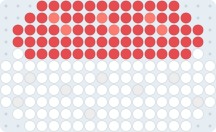
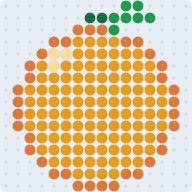
Try one of these patterns




FAQ
What temperature should I iron 2.6 mm fuse beads at?
Medium heat (140–160 °C / 284–320 °F) is a good guide. Iron each spot for 10–20 seconds, stop when the holes shrink slightly, and cool the piece under a weight while it's still hot.
How long do you iron fuse beads?
About 10–20 seconds per spot. Keep the iron moving over the whole piece and stop when the holes shrink slightly. The back needs only about 10 seconds.
Should I use steam?
No. Turn the steam off, and always iron with ironing paper (or parchment paper) on top.
How do I melt Perler beads without an iron?
The beads fuse with heat, so you need something that gets as hot as an iron on medium. A small craft iron works well. A hair straightener heats unevenly and a hair dryer is not hot enough to fuse the beads, so we don't recommend either.
Can I use a hair straightener instead of an iron?
Some people do for tiny pieces, but it runs hot and heats unevenly, so we don't recommend it. A household iron on medium is the most reliable.
It warped as it cooled. Can I fix it?
Lay the paper on top and warm it lightly again, then immediately put a weight such as a thick book on it and let it cool completely. It usually goes back to flat.